Demystifying the 4Cs: Carat, Color, Clarity, and Cut in Diamond Pricing
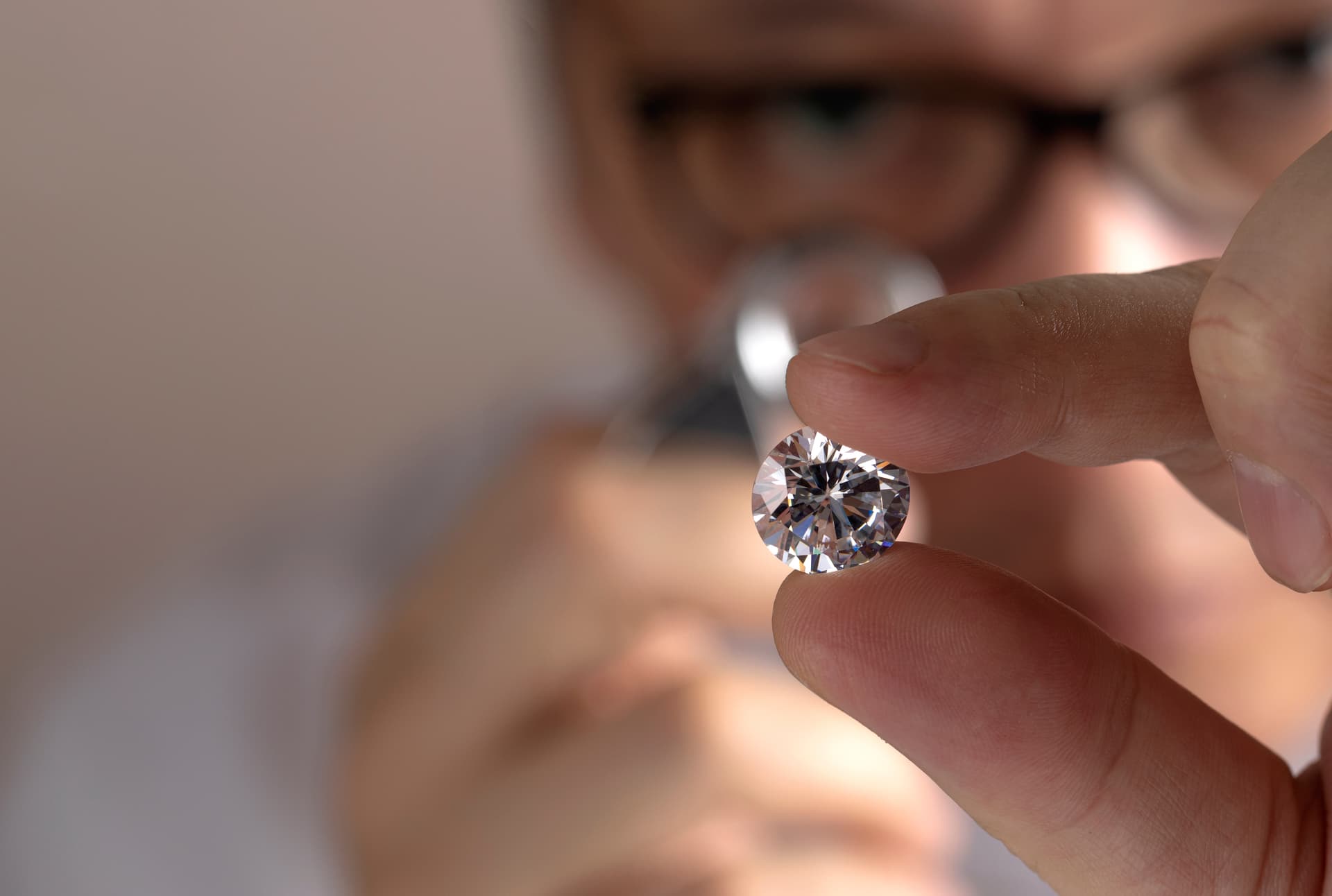
Developed by the GIA in the 1950s, the 4Cs standard remains the bedrock of diamond valuation worldwide. However, on the London secondary market, certain parameters exert disproportionate leverage on the cash price a dealer will offer.
1. Carat Weight: Threshold Dynamics
Diamond prices rise exponentially, not linearly, with carat weight. Crossing key psychological thresholds—such as 1.00 ct, 1.50 ct, 2.00 ct, and 3.00 ct—triggers substantial jumps in price per carat on the wholesale Rapaport matrix.
2. Color Grade: The Value of Colorlessness
The D to Z scale evaluates body tint. Diamonds graded D, E, and F (Colorless) command supreme premiums in Mayfair and international auction rooms. Stones in the G to J bracket offer excellent liquidity as commercial solitaires.
3. Clarity Grade: Microscopic Inclusions
Ranging from Flawless (FL) to Included (I1-I3). While eye-clean VS1 and VS2 diamonds represent the most liquid commercial segment, high-grade VVS stones attract dedicated collectors and private investors.
4. Cut Grade: Brilliance, Fire and Scintillation
In modern valuation, Cut is frequently the most critical determinant of value. An "Excellent" cut grade ensures optimal light return, brilliance, and fire. A poorly cut stone, even with top color and clarity, trades at significant discounts because recutting sacrifices precious carat weight.
Request a Private Valuation in London
Receive an immediate, confidential appraisal for your certified diamond, signed fine jewelry, gold bullion, or luxury Swiss watch.